Scaled-up Agroecology Training & Adoption
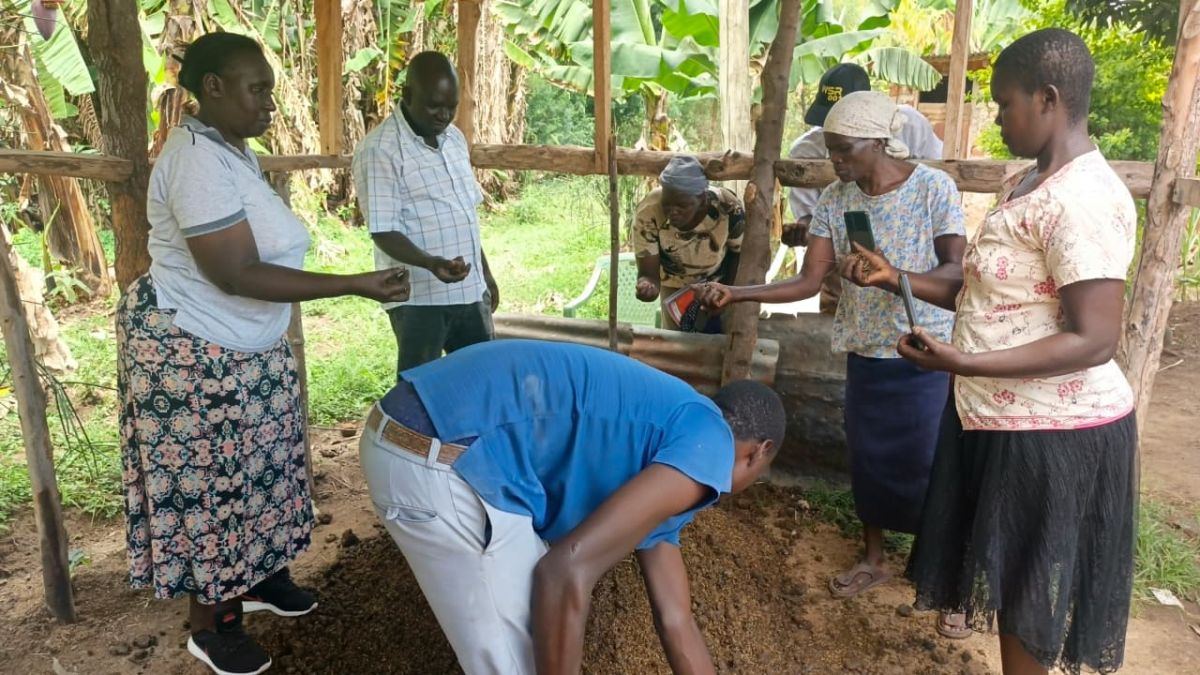
Training smallholder farmers in bio-intensive agriculture, soil restoration, indigenous crop varieties, and toxin-free farming tailored to women, youth, and persons with disabilities.
This initiative addresses the climate crisis through inclusive and sustainable agriculture. RODI partners with smallholder farmers particularly women, youth, and persons with disabilities to adopt agroecological practices that strengthen food sovereignty, improve soil health, and protect ecosystems.
In this thematic area, RODI Kenya promotes the production and consumption of healthy, toxin-free food, restores degraded agricultural and community landscapes, and enables communities to achieve equitable agroecological food sovereignty and climate resilience.
By combining practical farmer-to-farmer agroecology training, indigenous seed preservation, Participatory Guarantee Systems (PGS) for fair organic markets, and expansive agro-forestry, we build sustainable resilience for smallholder farmers, women groups, and youth agronomists.
These are the long-term programmes we run in this area. Each one shows who it serves, what it does, and the latest stories from the field.
Training smallholder farmers in bio-intensive agriculture, soil restoration, indigenous crop varieties, and toxin-free farming tailored to women, youth, and persons with disabilities.
Establishing community-led organic certification frameworks through PGS that guarantee toxin-free food production while securing fair pricing and direct market access for producers.
Regenerating degraded public, prison, and community lands by planting indigenous trees, fruit orchards, and soil water-conservation structures for climate resilience.
Promoting adoption of accessible renewable energy technologies, energy-efficient cookstoves, and clean energy solutions to reduce household environmental degradation.