Projects come and go with specific funding cycles, but RODI Kenya’s interventions stay. Rooted in 35+ years of grassroots impact, our core interventions provide the permanent foundation for human dignity, agroecological food sovereignty, and restorative justice.
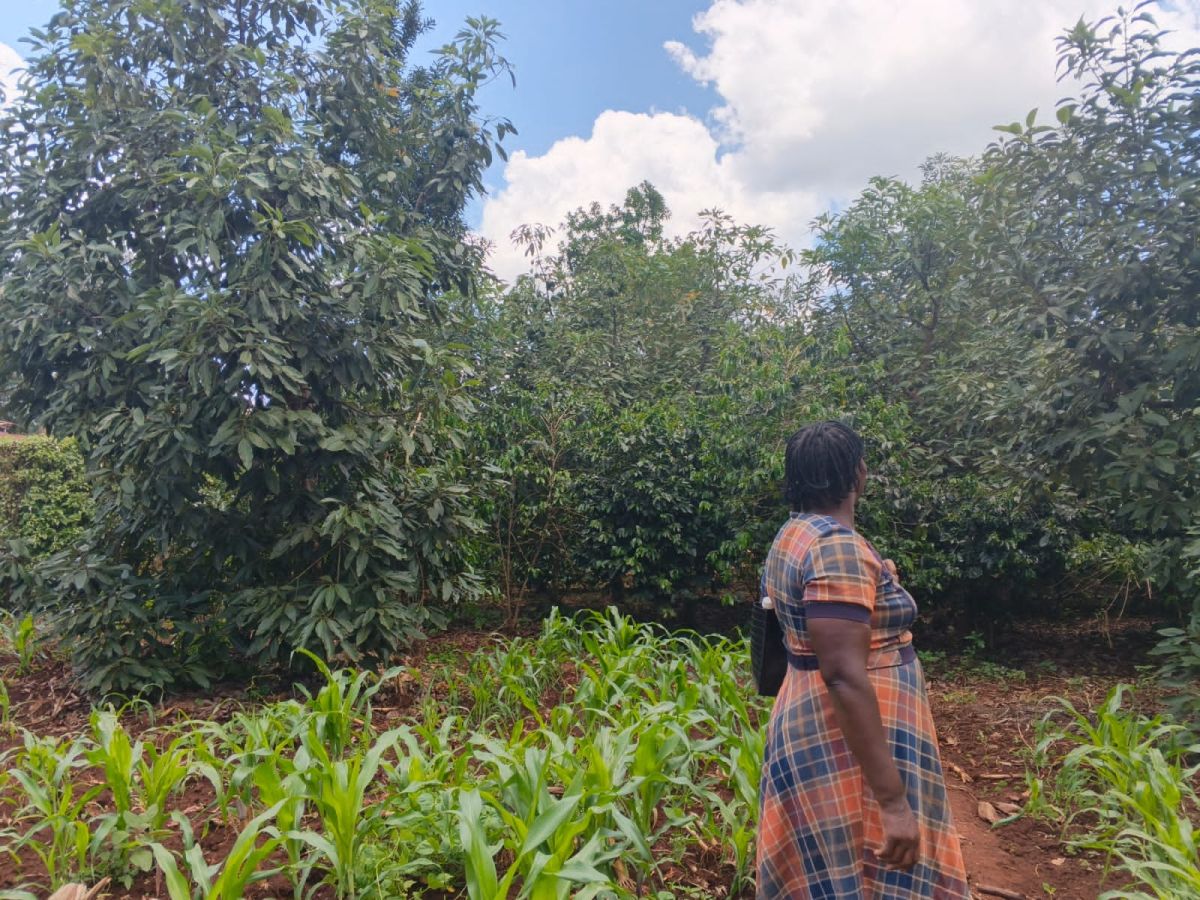
Enhanced equitable food security and climate resilience of target communities by supporting their transition to agroecological food systems that sequester carbon, improve water efficiency, and guarantee toxin-free food production.
Continuous practical training in low-cost, climate-resilient organic agriculture, bio-intensive techniques, organic pest management, and seed sovereignty, tailored specifically for women, youth, and persons with disabilities.
Explore Intervention & Stories →Establishing community-led organic certification frameworks through PGS that guarantee toxin-free food production while securing fair pricing and direct market access for marginalized smallholder producers.
Explore Intervention & Stories →Regenerating degraded public, prison, and community lands by integrating multipurpose agro-forestry trees, fruit orchards, and soil water-conservation structures that build long-term climate resilience.
Explore Intervention & Stories →Promoting adoption of accessible renewable energy technologies, energy-efficient cookstoves, and sustainable natural resource management to reduce household environmental degradation.
Explore Intervention & Stories →Enhanced social reintegration, access to justice, and economic independence among youth, ex-offenders, and refugees, contributing to social cohesion and improved access to justice for vulnerable groups, thereby fostering a crime-free society.
Providing essential paralegal services, bail/bond assistance, legal literacy, and Alternative Dispute Resolution (ADR) to ensure fair treatment, prevent unnecessary custodial sentences, and decongest correctional centers.
Explore Intervention & Stories →Collaborating with Kenya Prisons Service across the country to deliver accredited NITA-certified vocational skills, hygiene product manufacturing, agroecology, and entrepreneurship within prisons before release.
Explore Intervention & Stories →Providing aftercare, business starter toolkits, table-banking linkages, and community reconciliation forums to allow released offenders to establish sustainable micro-enterprises and overcome social stigma.
Explore Intervention & Stories →Targeting school pupils, juveniles, and vulnerable youth with sustainable farming, life skills, drug and substance abuse education, and restorative values to curb delinquency before it leads to incarceration.
Explore Intervention & Stories →Enhanced health equity and holistic well-being across all target communities and partner institutions by addressing physical and psychosocial needs.
Constructing clean water supply systems, rain-harvesting infrastructure, sanitation blocks, and promoting handwashing and menstrual hygiene management in correctional facilities, schools, and arid areas.
Explore Intervention & Stories →Delivering trauma-informed care, individual counseling, and support groups for prisoners, correctional officers, and ex-offenders to foster emotional resilience, mental health recovery, and family reconciliation.
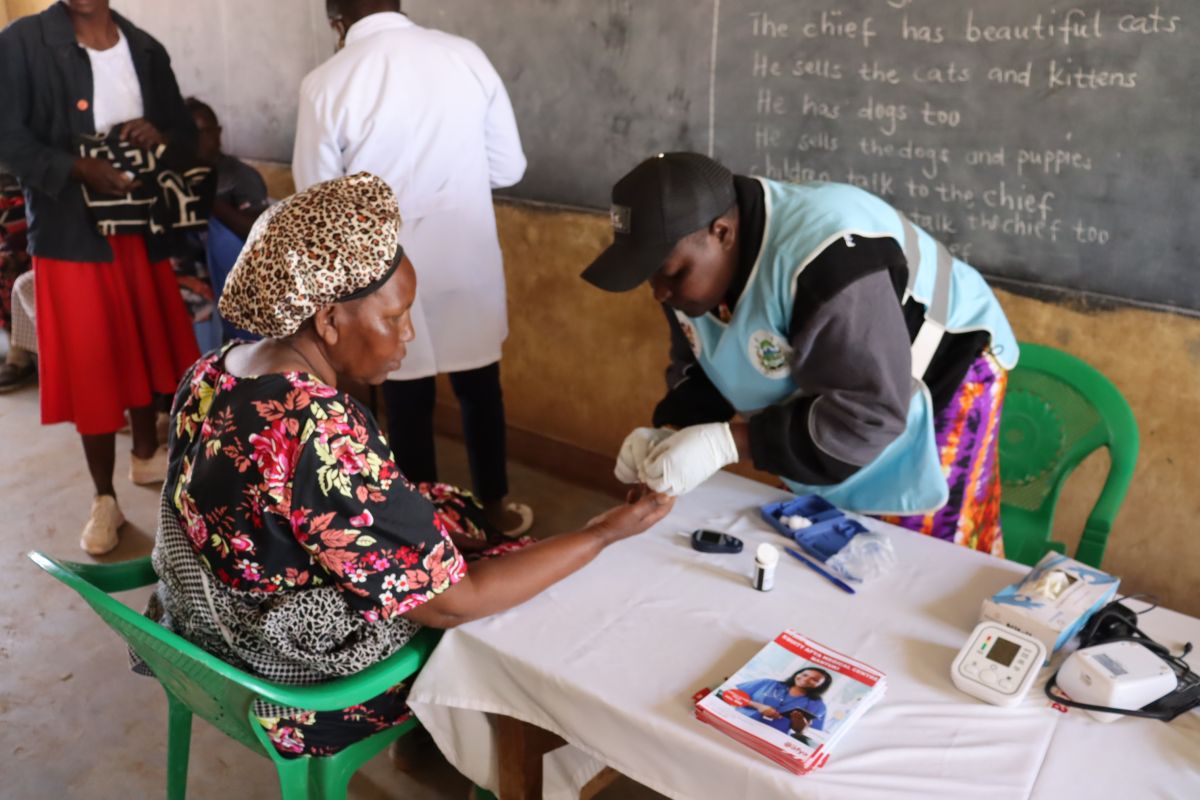
Explore Intervention & Stories →Organizing proactive health outreaches including TB screening in congregate settings (police cells, remand homes, prisons) in partnership with AMREF and Ministry of Health, linking patients to prompt care.
Explore Intervention & Stories →Strengthened financial and operational capacity for long-term institutional sustainability, adaptive governance, and robust partner alliances.
Scaling operational revenue from the RODI Training and Conference Centre in Ruiru, demonstration farm value-addition, and diversified development partnerships to ensure programs remain resilient.
Explore Intervention & Stories →Deploying a comprehensive Monitoring, Evaluation, Accountability, Research, and Learning framework including Social Return on Investment (SROI) to quantify and continuously optimize community impact.
Explore Intervention & Stories →Building strategic alliances across state and non-state actors (NCAJ, PELUM Kenya, GLS, Bread for the World, Mott Foundation) to harmonize approaches and co-create sustainable regional solutions.
Explore Intervention & Stories →The 2026–2030 Strategic Plan mandates that these four critical issues must be intentionally integrated into every project design, implementation, and review.
Leveraging on-the-ground experience to advocate for progressive restorative justice, prison reform, and agroecology policies at national and county legislative levels.
Generating evidence-based data, documenting best practices, and calculating Social Return on Investment (SROI) with active beneficiary participation.
Dismantling social stigma against ex-offenders, amplifying the voices of underserved smallholder farmers, and mobilizing public support for climate justice.
Gender Equality and Social Inclusion: ensuring women, youth, ex-offenders, and persons with disabilities share equitable decision-making and economic benefits.
“WE BELIEVE THAT: If we empower vulnerable groups (ex-offenders, youth, refugees, and smallholder farmers) with agroecological, vocational, and entrepreneurship skills, provide them with restorative justice and legal protection, and ensure their physical and psychosocial well-being; supported by robust research, favorable policy advocacy, and inclusive governance (GESI);
THEN: These individuals will successfully reintegrate into society, achieve economic independence, and become custodians of environmental and community health;
LEADING TO: A reduction in crime and recidivism, increased food sovereignty, and a sustained food-sovereign, healthy, and socially just society.”
Real stories and impact reports linked to our permanent strategic interventions.
Sep 28, 2026
Sep 21, 2026
Sep 16, 2026

Sep 16, 2026

Sep 10, 2026

Sep 10, 2026
Aug 30, 2026
Aug 17, 2026

Aug 17, 2026